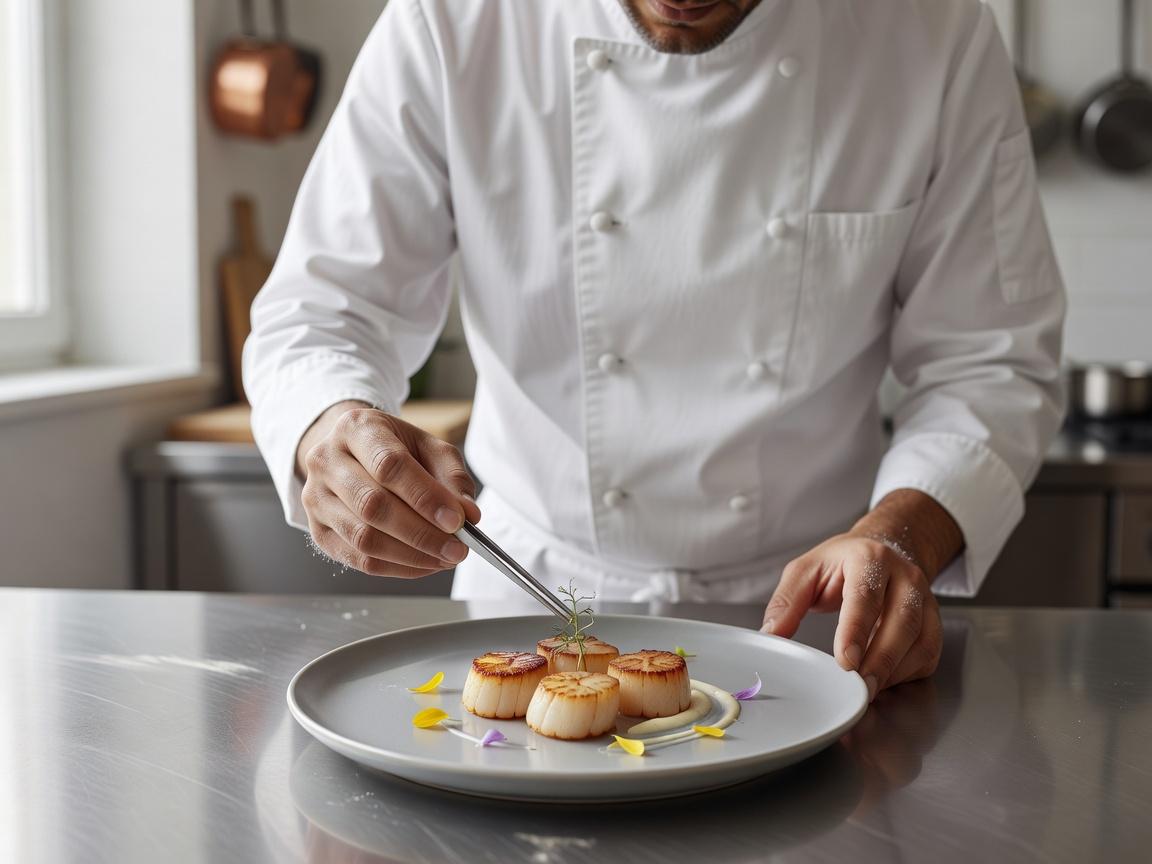
 Composition notes
Where the eye lands first
Read negative space, sauce placement and scale without confusing visual drama with flavour.
Explore the plateIndependent seafood gallery journal
A glistening oyster, a carefully placed leaf, a room full of daylight. Look beyond the first impression to the source, the composition and the setting.
Source / Composition / Setting
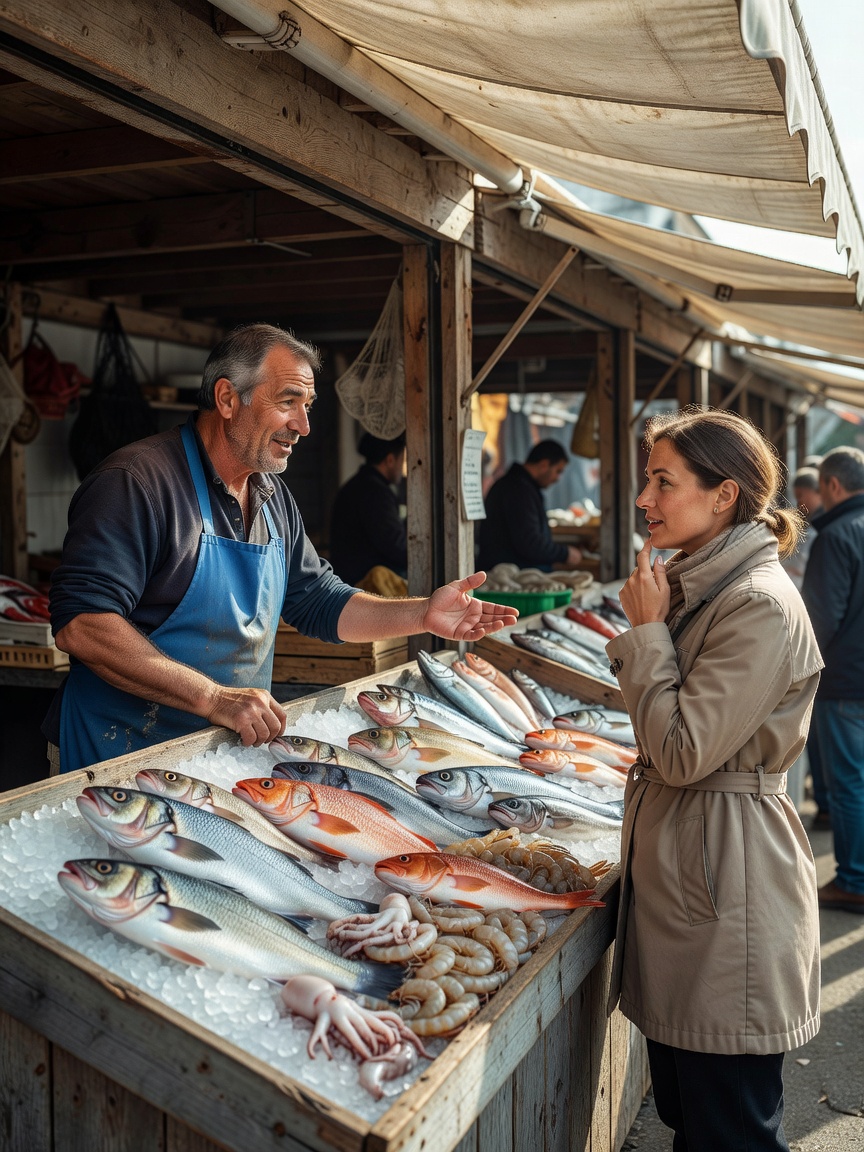
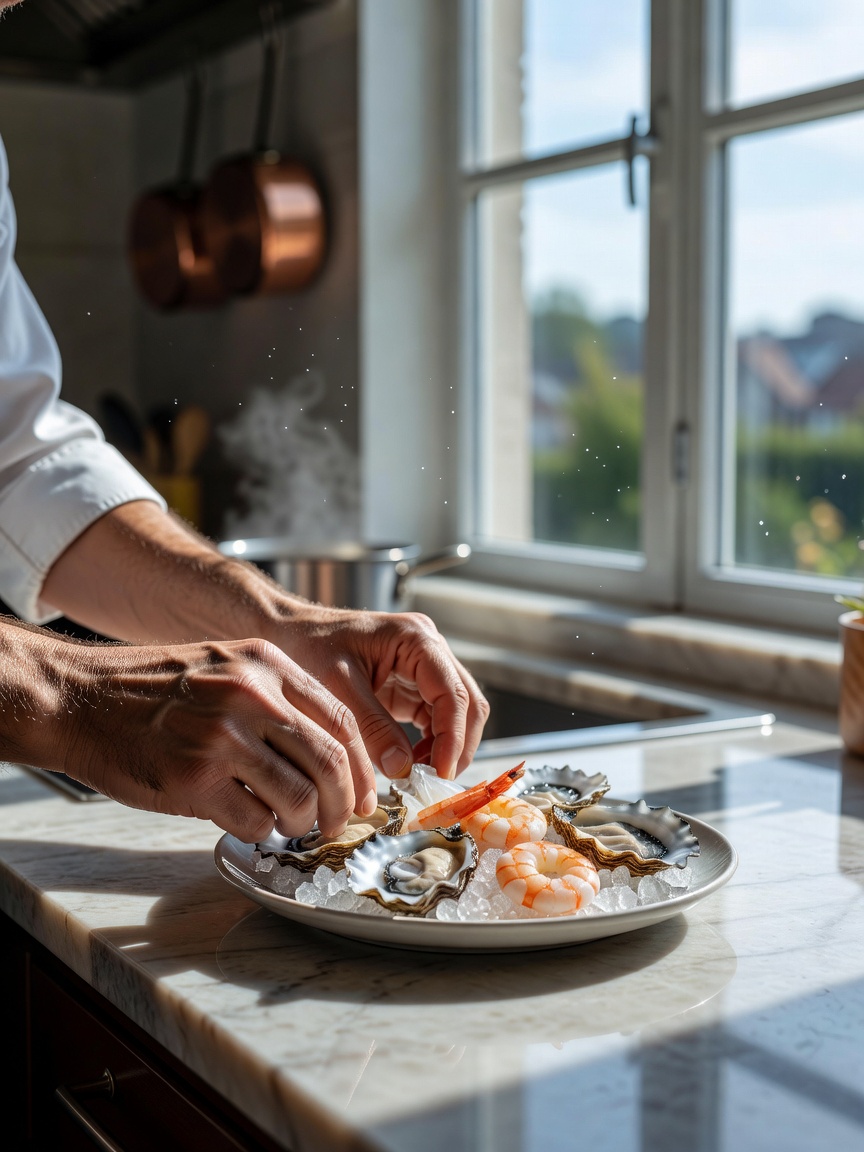
A tasting gallery is a useful lens, not a restaurant category with a fixed rulebook. It invites us to examine a plate as closely as an object in an exhibition.
We are an independent guide, not a restaurant or booking service. Our features help curious diners connect beautiful presentation with questions that have useful, specific answers.
The most interesting origin story goes further than a coastal place name. Begin with identity, method and a traceable route to the kitchen.
“Cornish fish” describes a connection, not a complete record. Ask which fish, where it was caught and whether the place named is the landing port or the capture area.
Read the provenance featureHand-dived, line-caught and farmed describe different systems. Their implications depend on the species, the habitat, management and handling—not just a reassuring adjective.
Look closer at methodsA named supplier, a specific origin and a clear explanation are more useful together. Certification can add evidence, but it does not answer every question about a dish.
Understand the evidenceSpace, shine and texture direct the eye. The best compositions also make sense when the fork moves.
Composition notesRead negative space, sauce placement and scale without confusing visual drama with flavour.
Explore the plateThree things to notice
Focal point. Can you tell what the dish wants you to taste?
Temperature. Does the arrangement support prompt, comfortable eating?
Sequence. Do the components meet naturally in a bite?
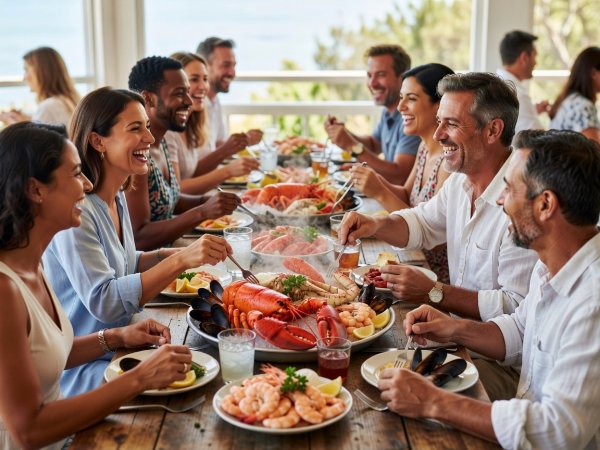
Light affects colour. Sound shapes conversation. The distance between seats can turn a tasting into a performance or a private exchange.
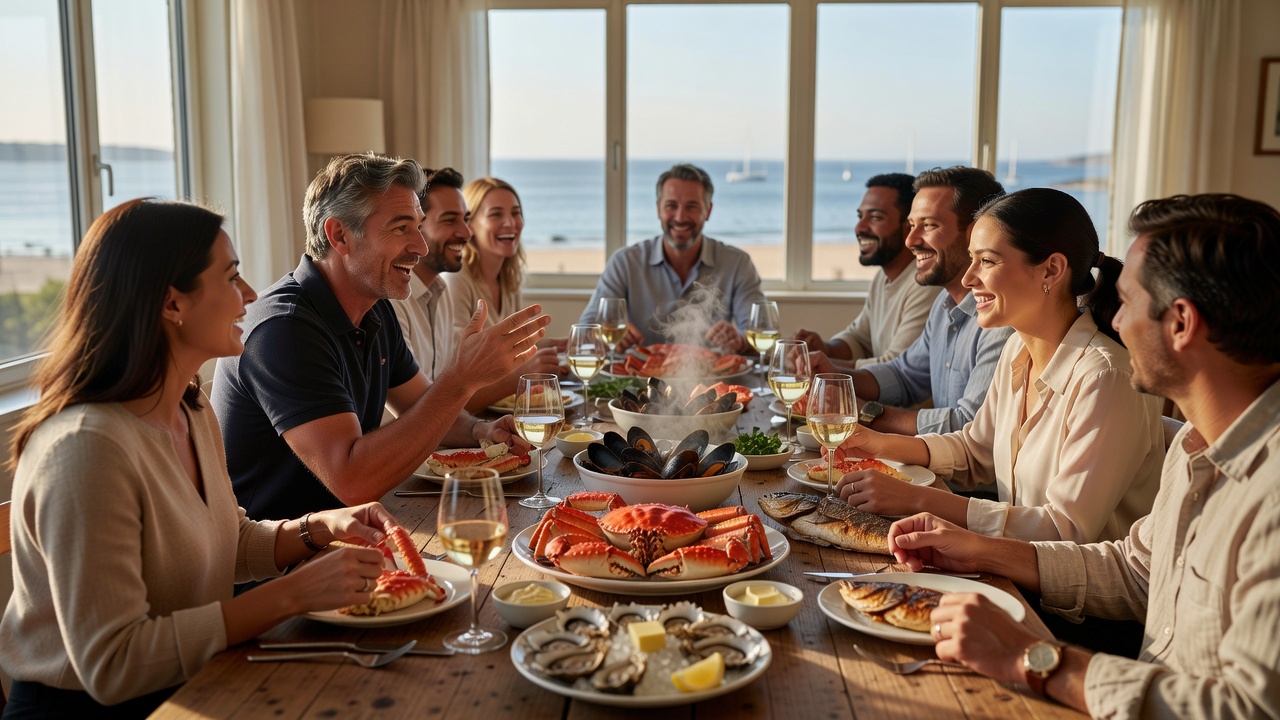
Space as an ingredient
Notice the view from your chair, the rhythm of service and whether the architecture helps you enjoy what is in front of you.
Read the roomGood questions are part of a considered visit, especially when allergies, raw preparations or accessibility are involved.
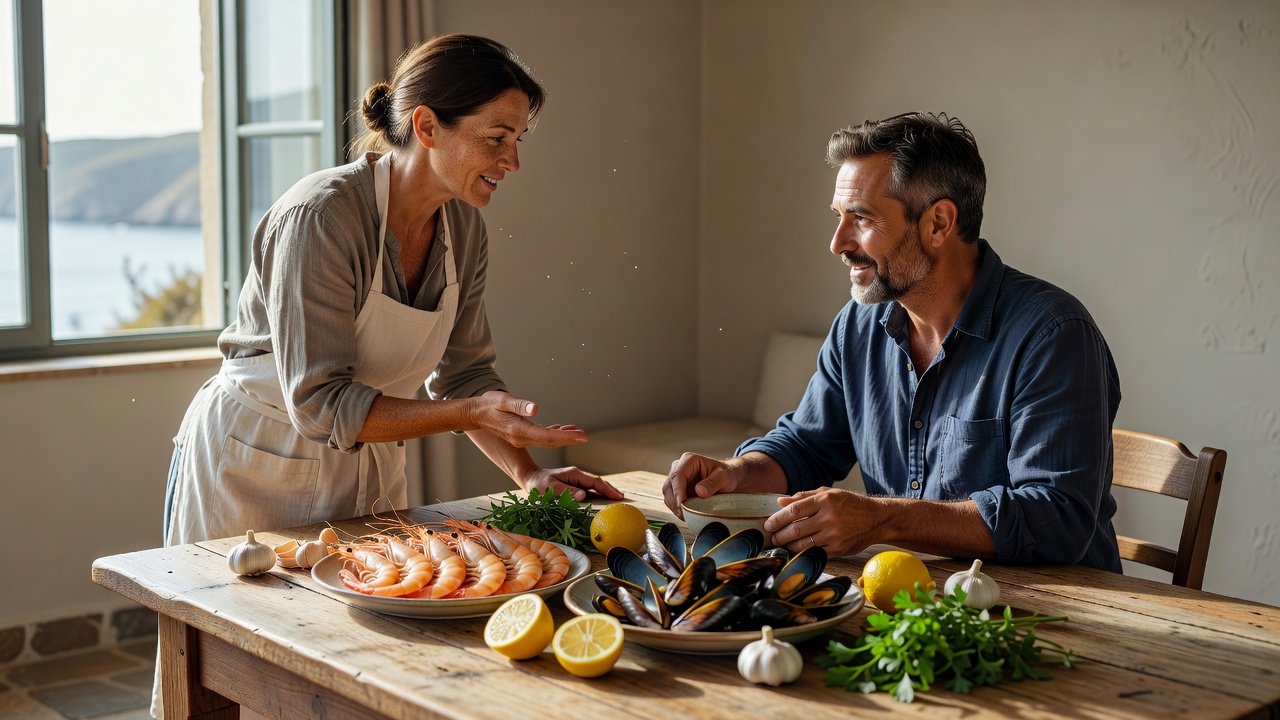
Tell the venue about allergies before booking and confirm them again on arrival. Ask about shared preparation areas and substitutions rather than relying on a photograph.
Prepare for your visitNo. Presentation and sourcing are separate qualities. Look for species, origin, production method and relevant evidence.
Neither. Summitcrimsonvalley.living is an independent editorial guide. Contact venues directly for current menus, access arrangements and reservations.
No. Lighting, styling and image processing limit what a photograph can show. Safe handling and accurate information matter more.
We use cookies Essential cookies keep this site working. Optional ones help us see what is useful. You can change your choice at any time. Cookie policy